
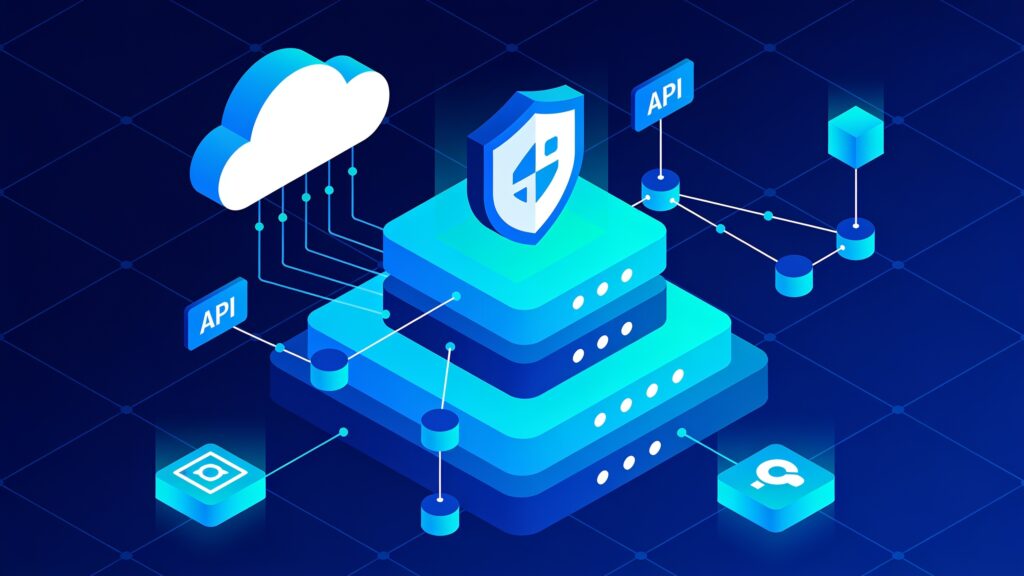
As digital transformation continues to accelerate, companies increasingly rely on cloud platforms, APIs, microservices, and interconnected systems to support business operations.
However, as systems become more complex, the attack surface also expands. Many organizations only start thinking about security after an incident occurs or when their infrastructure has already reached a large scale. In reality, effective security should be designed from the beginning—not added as an afterthought.
This is where the role of a Cyber Security Architect becomes increasingly important. They design the security foundation that helps systems remain secure, scalable, and capable of supporting long-term business growth.
What Is a Cyber Security Architect?
A Cyber Security Architect is a professional responsible for designing security architectures that protect an organization’s systems, networks, applications, cloud environments, and digital assets.
This role includes creating security blueprints, defining security standards, assessing architectural risks, and ensuring security is integrated throughout the technology development and implementation lifecycle.
Unlike a Security Engineer, who focuses on implementing and operating security controls, a Cyber Security Architect determines how security should be designed and applied across the organization. As a result, they often provide guidance for engineering and technology teams when building secure systems from the ground up.
Why Is Security Architecture Becoming More Important?
As technology environments become increasingly complex, organizations are no longer managing a single system or data center. Many companies now operate a combination of cloud platforms, internal applications, APIs, SaaS solutions, and interconnected business systems.
Several factors are driving the growing importance of Security Architecture:
- Increased adoption of cloud and hybrid infrastructure
- Wider use of APIs and microservices
- A growing number of applications and endpoints that require protection
- Greater integration with vendors and third-party ecosystems
- Increasing regulatory and security compliance requirements
- Rising adoption of Zero Trust Architecture as a modern security approach
In Indonesia, demand for Cyber Security Architects continues to rise alongside digital transformation initiatives in banking, fintech, telecommunications, e-commerce, and enterprise organizations. Many companies are modernizing their infrastructure, migrating workloads to the cloud, and building large-scale digital platforms.
Without a well-designed security architecture, this complexity can create vulnerabilities that become increasingly difficult to address as systems scale. As a result, more organizations are involving Security Architects during the technology planning phase rather than after implementation is complete.
Roles and Responsibilities of a Cyber Security Architect
A Cyber Security Architect ensures that security becomes part of the system design process rather than an additional layer applied after implementation.
Key Responsibilities
- Security Architecture Design: Designing security architectures for systems, applications, networks, and cloud environments.
- Threat Modeling: Identifying potential threats and evaluating risks before systems are deployed.
- Security Standards Development: Defining security standards, frameworks, and best practices that should be applied across the organization.
- Cloud Security Architecture: Designing security controls for cloud and hybrid infrastructure environments.
- Security Assessment & Review: Evaluating system designs and identifying potential security weaknesses.
- Collaboration with Engineering Teams: Working closely with Software Engineers, DevOps Engineers, Cloud Engineers, and Security Engineers to ensure security is implemented consistently.
- Technology Evaluation: Assessing new technologies and ensuring their implementation aligns with organizational security standards.
Skills That Build a Strong Cyber Security Architect
Hard Skills
- Security Architecture Design: The ability to design scalable security solutions that support business requirements.
- Cloud Security: Understanding security principles across platforms such as AWS, Microsoft Azure, and Google Cloud.
- Threat Modeling: Identifying potential attack scenarios during the system design phase.
- Network Security: Understanding network architecture, segmentation, and infrastructure security.
- Identity & Access Management (IAM): Managing user access and identity controls securely.
- Application Security: Understanding secure coding principles, security testing, and the software security lifecycle.
- Security Frameworks & Standards: Familiarity with frameworks such as NIST, ISO 27001, SABSA, and TOGAF Security Architecture.
- Zero Trust Architecture: Understanding the “never trust, always verify” principle and its implementation across identities, devices, networks, applications, and data access.
Soft Skills
- Systems Thinking: Understanding how different systems interact and how security decisions affect the broader technology ecosystem.
- Strategic Thinking: Viewing security as part of both technology and business strategy.
- Problem Solving: Finding effective security solutions without creating unnecessary operational barriers.
- Communication: Explaining security risks, recommendations, and architecture decisions to both technical and non-technical stakeholders.
- Collaboration: Working effectively across technology, security, and business teams.
A Cyber Security Architect must balance security requirements, technology complexity, and business objectives. Security designs that are too restrictive can slow innovation, while designs that are too flexible can increase organizational risk.
Common Tools and Platforms Used
Security architecture relies on a variety of tools to support design, assessment, and monitoring activities.
- Cloud Security Platforms: AWS Security Hub, Microsoft Defender for Cloud, Prisma Cloud
- Architecture Design Tools: Microsoft Visio, Lucidchart, ArchiMate
- Threat Modeling Tools: Microsoft Threat Modeling Tool
- Security Monitoring Platforms: Splunk, IBM QRadar, Microsoft Sentinel
- Network Security Platforms: Palo Alto Networks, Fortinet, Cisco Secure
However, at the architect level, the true value comes not from operating tools but from designing security strategies that remain effective as technologies and threats continue to evolve.
Cyber Security Architect Salary Outlook in Indonesia
Cyber Security Architect is considered a senior-level position with relatively high compensation due to its responsibility for designing security at an organizational scale. Furthermore, demand for this role continues to increase as digital infrastructures become more complex.
Based on market benchmark surveys, Geekhunter’s internal database, and various public career platforms, the estimated salary range for Cyber Security Architects in Indonesia is:
- Cyber Security Architect: ~IDR 30,000,000 – IDR 60,000,000 per month
- Senior Cyber Security Architect: ~IDR 60,000,000 – IDR 100,000,000+ per month
- Enterprise Security Architect: ~IDR 100,000,000+ per month
Actual compensation may vary depending on company size, infrastructure complexity, industry, and candidate experience.
How to Build a Career as a Cyber Security Architect
A Cyber Security Architect role typically evolves from deep technical experience in security and infrastructure. In practice, most professionals accumulate around 8–15 years of experience before being trusted to design security architecture at an enterprise scale.
What differentiates a Cyber Security Architect from a Senior Security Engineer is not simply seniority. Senior Security Engineers usually focus on implementing and operating security controls, while Cyber Security Architects are responsible for defining how security should be designed across systems, platforms, and technology environments.
At this level, organizations look for professionals who can connect security requirements, technology complexity, and business objectives into a cohesive security architecture strategy.
Common Career Paths
- Security Engineer
- Network Security Engineer
- Cloud Security Engineer
- Security Consultant
- Senior Security Engineer
- Cyber Security Architect
What You Should Build
- Cross-domain security experience, including network security, cloud security, infrastructure security, and application security
- The ability to perform threat modeling and risk assessment
- Knowledge of security frameworks and enterprise architecture
- The ability to design scalable security solutions aligned with business needs
- Experience collaborating with both technical and business stakeholders
Recommended Certifications
- CISSP (Certified Information Systems Security Professional)
- SABSA Foundation
- TOGAF
- CCSP (Certified Cloud Security Professional)
- AWS Security Specialty
- Microsoft Cybersecurity Architect Expert
While certifications can strengthen professional credibility, companies generally place greater value on hands-on experience designing security architecture and managing technology complexity at an enterprise scale.
Many candidates have strong expertise in a specific area such as network security, cloud security, application security, or security operations. However, organizations are typically looking for Cyber Security Architects who can connect these domains into a unified security architecture.
The ability to combine cloud infrastructure, application security, enterprise architecture, risk management, and communication with both technical and business stakeholders remains relatively rare in the market. As a result, Cyber Security Architect has become one of the most difficult cybersecurity roles to hire for and continues to see growing demand in Indonesia.
Why Are Companies Investing More in Security Architecture Talent?
Today, organizations need more than security controls that can detect threats. They need systems that are designed securely from the start.
Cyber Security Architects help businesses build security foundations that support technology growth, reduce long-term risk, and ensure technology investments can scale securely.
As digital ecosystems become increasingly complex, the ability to design security strategically is becoming one of the most valuable and sought-after capabilities across industries.
Hire the Best Cyber Security Architects in Indonesia with Geekhunter
Cyber Security Architect talent that combines cloud security, infrastructure architecture, application security, enterprise architecture, and business understanding remains extremely limited in Indonesia.
Many candidates have strong technical backgrounds, but not all can design security architectures that work at an enterprise scale while supporting long-term business objectives.
Geekhunter helps companies find Cyber Security Architects who not only understand security, but can also build secure, scalable technology foundations that are ready for future challenges.
Looking for a Cyber Security Architect for your company?
👉 Hire a Cyber Security Architect now: https://geekhunter.co/recruit-now/
Interested in building a career as a Cyber Security Architect?
👉 Explore the latest Cyber Security Architect job opportunities: https://geekhunter.co/careers